
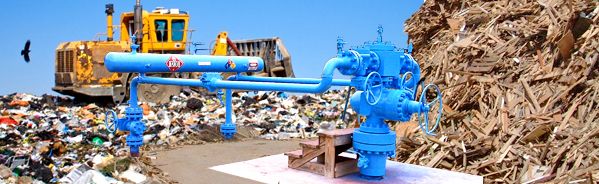
The development of advanced chemical processing facilities requires careful coordination between process design, equipment selection, safety, and operational requirements. This is particularly important for technologies that convert carbon-containing feedstocks into useful fuels and chemical products.
A Fischer-Tropsch plant uses catalytic chemistry to convert synthesis gas, commonly consisting of carbon monoxide and hydrogen, into hydrocarbons. Designing such a facility requires an understanding of reaction conditions, gas composition, catalyst performance, heat management, separation, and downstream processing. Related disciplines such as sulfur recovery engineering can also be important when feedstocks or process streams contain sulfur compounds that must be controlled.
Understanding the Fischer-Tropsch Process
From Synthesis Gas to Hydrocarbons
Fischer-Tropsch synthesis converts carbon monoxide and hydrogen into hydrocarbons through catalytic reactions. The resulting products can include different hydrocarbon fractions, depending on the catalyst, operating conditions, reactor configuration, and downstream processing strategy.
A commercial Fischer-Tropsch plant therefore involves more than the reaction itself. Feed preparation, synthesis gas conditioning, reaction, product separation, upgrading, utilities, and emissions control all need to be considered as part of the overall process.
Key Process Considerations
Engineers evaluating Fischer-Tropsch technology may need to consider:
- Feedstock composition: Determines the characteristics of the synthesis gas entering the process.
- Gas conditioning: Helps establish suitable conditions for downstream catalytic processing.
- Catalyst selection: Influences conversion, product distribution, and operating requirements.
- Reactor design: Affects heat removal, conversion, and overall process performance.
- Product separation: Recovers and separates hydrocarbon products from other process streams.
- Process integration: Coordinates reaction, separation, utilities, and supporting systems.
These factors are interconnected, meaning a change in one part of the process can influence the performance of other units.
The Importance of Gas Conditioning
Preparing the Feed
The quality of synthesis gas is an important consideration for Fischer-Tropsch synthesis. Depending on its source, the gas may contain impurities that can affect catalysts, equipment, or downstream operations.
Gas conditioning can therefore involve removing unwanted compounds and adjusting the gas composition before it enters the synthesis section. The appropriate treatment depends on the feedstock and the requirements of the selected process technology.
Managing Contaminants
Sulfur compounds are among the contaminants that may require careful control. Even relatively small concentrations can be problematic for catalysts used in downstream processes, making appropriate removal and treatment an important engineering consideration.
This is where sulfur recovery engineering can become relevant to integrated chemical processing facilities. Engineers must consider how sulfur-containing streams are separated, treated, recovered, or otherwise managed according to the characteristics of the overall plant.
Sulfur Recovery Engineering in Process Facilities
Managing Sulfur-Containing Streams
Sulfur recovery systems are designed to handle sulfur compounds generated or separated during industrial processing. The specific process configuration depends on the feedstock, sulfur concentration, plant capacity, emissions requirements, and desired sulfur products.
Effective sulfur recovery engineering requires integration with upstream and downstream systems. Engineers need to understand where sulfur enters the process, how it is transformed, and where sulfur-containing streams are generated throughout the facility.
Designing for Process Integration
A sulfur recovery system should not be considered independently from the rest of the plant. Gas treatment, process conditions, heat integration, emissions control, and downstream handling can all affect the design.
Important considerations may include:
- Sulfur loading: Understanding the quantity and composition of sulfur entering the system.
- Process conditions: Evaluating pressure, temperature, and flow requirements.
- Gas treatment: Determining how sulfur compounds should be removed or converted.
- Recovery efficiency: Designing systems to recover sulfur effectively.
- Emissions control: Managing remaining sulfur-containing compounds appropriately.
- Material selection: Accounting for potentially corrosive process conditions.
A coordinated engineering approach can help ensure that sulfur management supports overall plant performance.
Optimizing Fischer-Tropsch Plant Design
Using Process Simulation
Process simulation can provide valuable insight during the development of a Fischer-Tropsch plant. Engineers can model material balances, energy requirements, operating conditions, equipment performance, and different process configurations before physical construction.
Simulation can also help identify potential bottlenecks and evaluate how changes in feed composition or operating conditions could affect production. This can support more informed decisions during feasibility studies and process design.
Managing Heat and Energy
Fischer-Tropsch reactions are highly exothermic, making heat management an important design consideration. The reactor and associated heat-removal systems need to manage the generated heat while maintaining appropriate operating conditions.
Energy integration across the wider facility can also influence efficiency. Heat generated in one process section may potentially be recovered for use elsewhere, depending on temperature levels and process requirements.
Engineering for Safety and Reliability
Addressing Process Hazards
Chemical plants involving synthesis gas, hydrocarbons, high temperatures, and pressurized equipment require careful process-safety consideration. Engineers may evaluate potential hazards associated with flammable gases, pressure, temperature, chemical exposure, and equipment failure.
Hazard analysis, appropriate instrumentation, pressure protection, process controls, and emergency shutdown strategies can form important parts of the overall engineering process.
Designing for Long-Term Operation
Reliability should also be considered during the initial design. Equipment accessibility, maintenance requirements, material selection, instrumentation, and process-control strategies can affect the facility's long-term performance.
A well-engineered system should balance production objectives with maintainability and operational flexibility. This becomes especially important for complex facilities where multiple process units must operate together continuously.
Working With Experienced Chemical Engineers
Integrating Specialized Technologies
Developing advanced chemical processing facilities requires expertise across process design, simulation, equipment engineering, optimization, and safety. Specialized technologies also need to be evaluated within the context of the complete process.
Costello provides chemical engineering consulting and process design services covering process simulation, plant optimization, process safety, troubleshooting, biofuels, sulfur processing, and other specialized chemical technologies.
From Concept to Implementation
Engineering support can extend from early feasibility studies and process modelling through detailed design, construction support, startup, and troubleshooting. This lifecycle approach allows technical decisions to be evaluated according to their practical effects on the operating facility.
For projects involving Fischer-Tropsch technology or sulfur-containing process streams, integrating these disciplines early can help identify process constraints and establish an appropriate engineering strategy.
Conclusion
A Fischer-Tropsch plant requires careful integration of synthesis gas preparation, catalytic conversion, heat management, product separation, and supporting systems. Process simulation and experienced engineering analysis can help evaluate these interconnected requirements before construction and operation.
At the same time, sulfur recovery engineering can play an important role where sulfur-containing feedstocks or process streams require specialized treatment. Costello combines chemical engineering, process design, simulation, optimization, safety, and troubleshooting expertise to address complex processing requirements. Early integration of these disciplines can help create process facilities designed for efficiency, reliability, and long-term operation.